

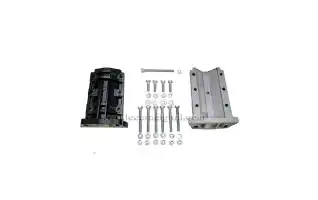
62,92€ VAT included
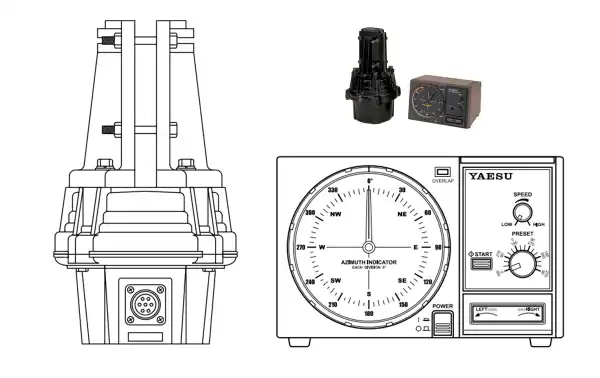
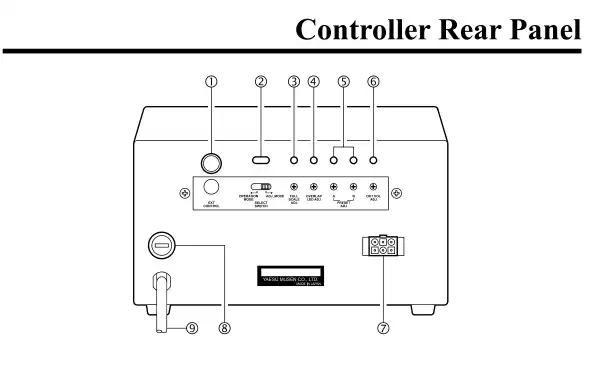

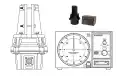


YAESU G 2800 DXC Turret type Azimuth Rotor Azimuth/brake torque 2500 Kg/cm 25000 Kg/cm PC connection
1.155,55€ VAT included 955,00€ excl. VAT
Are you one of those who prefer not to wrap gifts? We do it for you!
With the Paper Gift Service, you will receive your product wrapped and ready to deliver to your recipient!
What if the recipient is you? Why not?
We all like to open a gift from time to time, so do not cut and hit the whim! We assure you that we will surround you with all the affection of the world.
This service is available for the following countries: España - Peninsula y Baleares, Canarias, Alemania, Bélgica, Eslovaquia, Eslovenia, Estonia, Francia, Grecia, Holanda, Irlanda, Italia, Letonia, Luxemburgo, Noruega, Polonia, Portugal, Reino Unido, República Checa, Suecia, Andorra, Austria, Bulgaria, Chipre, Dinamarca, Finlandia, Gibraltar, Hungría, Malta, Mónaco, Rumania, Suiza, Ceuta y Melilla, Gibraltar, Francia Corcega, Portugal - Azores y Madeira.
If in the purchase process you select a country, that are not specified in the list, we will delete automatically the service. Therefore you will not be charged anything. We are working to improve our services. So we will try, of course, to have this service in all countries.
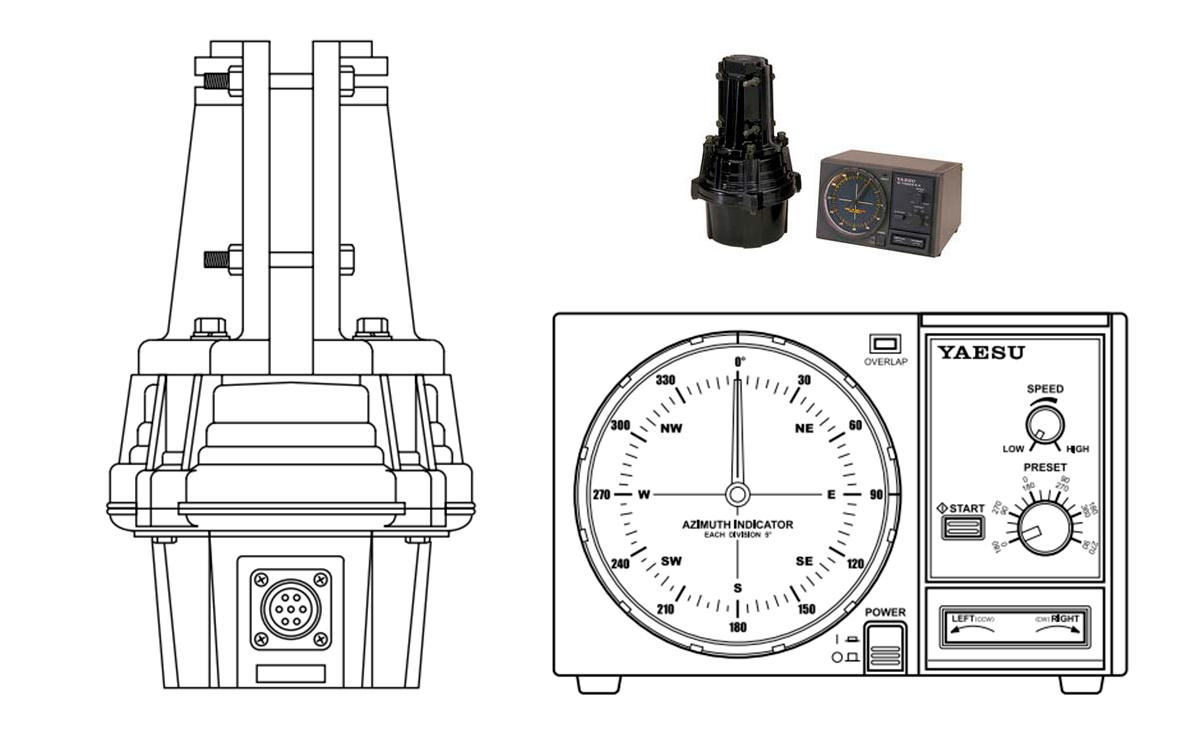
The YAESU G-800DXC, G-1000DXC, and G-2800DXC antenna rotators are designed to handle large tower-mounted antennas for both amateur and professional applications. These rotators allow for precise remote control of antenna orientation from the operator's station.
The rotator design uses 3/8-inch double-layer ball bearings to distribute the load evenly across the entire diameter of the housing, reducing wear and virtually eliminating the possibility of water ingress, as there is no shaft hole on the top of the device.
Unlike older models, which use alternating current (AC) motors, the G-800DXC, G-1000DXC, and G-2800DXC models are equipped with a variable-voltage direct current (DC) motor, eliminating the need for a large starting capacitor, which is prone to failure due to external temperature variations. This ensures more reliable, maintenance-free operation, as the rotor is housed in a die-cast aluminum casing coated with melamine resin.
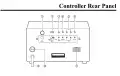
The sleek and modern desktop controller provides a full 360-degree radial indication of the antenna's true azimuth. Users can select rotation speeds ranging from 40 to 100 seconds for a complete 360-degree rotation on the G-800DXC and G-1000DXC models, and from 50 to 120 seconds for the G-2800DXC model. Additionally, a desired steering angle can be preset, and the rotator will automatically rotate to that position.
A special feature of the G-2800DXC model is the incorporation of "automatic slow start" and "automatic slow stop" functions when a high rotation speed is selected. This prevents sudden jolts to the antenna system and tower. The rotator starts rotating slowly, and as it approaches the desired direction, the rotation automatically slows down, providing a smooth stop.
The rotator can rotate up to 450 degrees, allowing for a complete rotation around north, south, or both points, if desired. Additionally, the rotator's stop position (the point beyond which it cannot rotate) can be selected, providing flexibility in antenna control.
The G-800DXC and G-1000DXC models come with a mast clamp and the necessary installation hardware, while the G-2800DXC model includes a 40-meter control cable to simplify the installation process. In addition, all models are compatible with the GS-232B computer control unit, allowing the antenna's position to be controlled via a computer through an RS-232 interface.
These rotators are ideal for those seeking a reliable, durable, and efficient rotation system for large antennas, with advanced remote control and safety features that protect the equipment and extend its lifespan in adverse weather conditions.
See English manual PDF>> click here <<
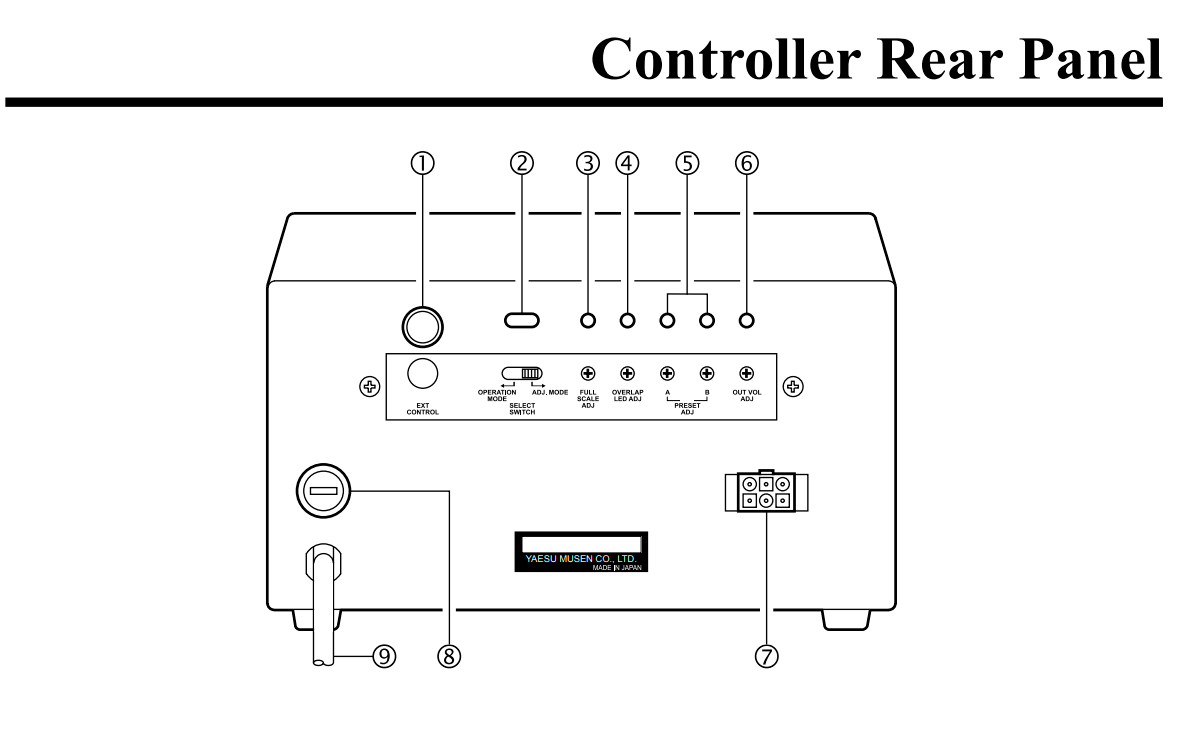
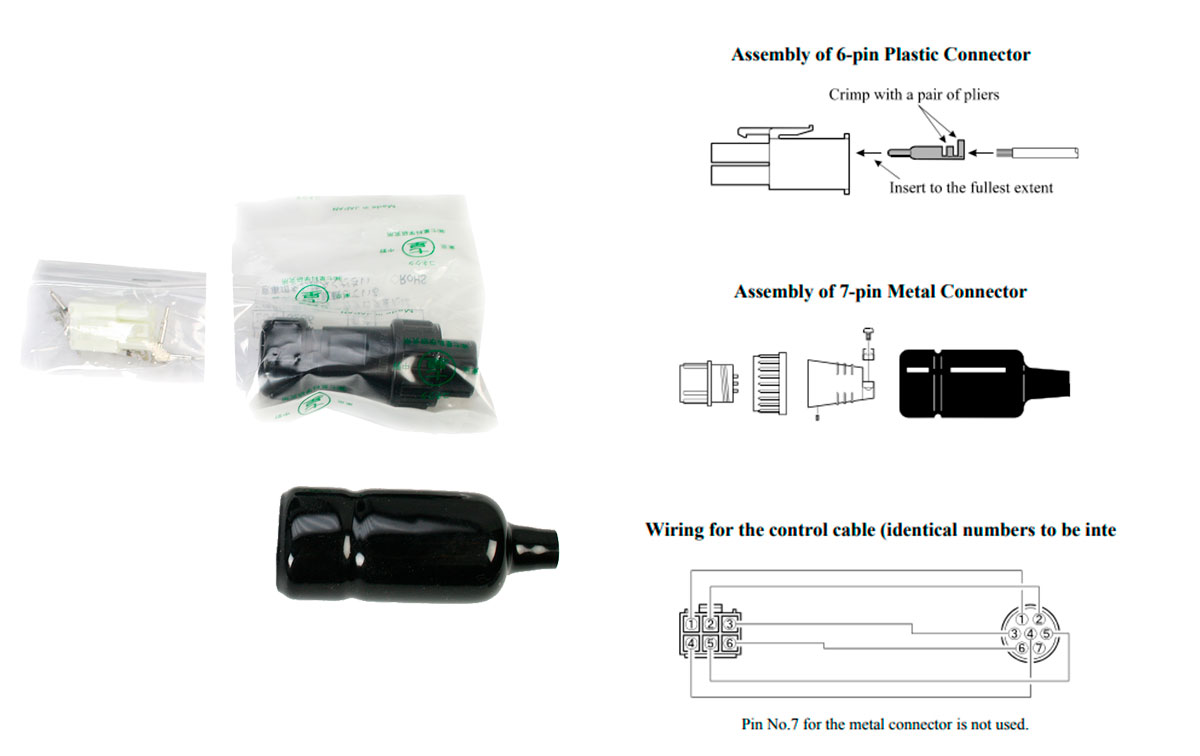
The YAESU G-2800DXC rotator is a robust option for antenna tower installations, designed to withstand heavy loads and strong winds. Below is a step-by-step example of tower installation, including the use of an optional thrust bearing.
Once installed, operate the system through its full range of rotation to ensure there is no cable strain or obstruction. If using a thrust bearing, ensure the mast is properly aligned.
62,92€ VAT included
141,98€ VAT included
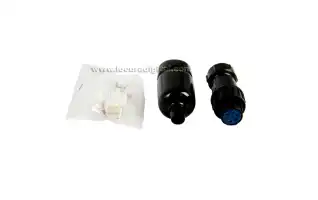
45,98€ VAT included
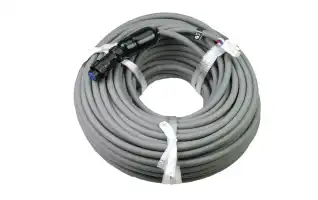
137,58€ VAT included
677,60€ VAT included

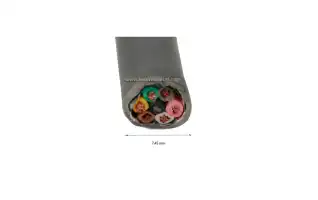
3,04€ VAT included